
Building climate-resilient communities

Since partnering with The Mango Tree Kenya in 2025, Kids Club Kampala has been supporting the Our Lives, Our Land Project, an ongoing community-led initiative helping families build climate resilience and improve food security.
This blog post explores the challenges affecting agriculture and food security in western Kenya and introduces the community-led approach being taken to address them. Read on to find out how the Our Lives, Our Land Project is helping families build more secure livelihoods.
Livelihoods under pressure
Poverty and food insecurity continue to affect the health, wellbeing and livelihoods of communities in Homa Bay. Agriculture, livestock and fisheries are the main sources of income for rural households. However, limited livelihood opportunities can leave families vulnerable to economic shocks. For some, this can increase reliance on activities such as charcoal production, brick making and sand harvesting, which further damage the natural environment.
Climate change is making it increasingly difficult for farming and fishing communities to build reliable livelihoods. Recurring droughts, unpredictable weather, limited water access, and pest infestations are putting additional pressure on household food security. These challenges are made worse by the growing demand for natural resources.
Many households also face limited access to important services, such as healthcare, education, and economic opportunities. Together, these challenges highlight the need for community-led approaches that strengthen livelihoods, improve food security and help families develop resilience to climate change.
Our Lives, Our Land
The Our Lives, Our Land Project was created to help communities respond to these challenges. Led by The Mango Tree Kenya, the project was designed to:
increase food security;
increase knowledge and understanding of climate change impacts and mitigation;
increase knowledge and understanding of sustainable natural resource management;
increase household incomes;
promote biodiversity, improve soil fertility, and reduce/eliminate the use of chemicals.
Over the past 3 years, the project has been supporting farmers to adopt sustainable farming methods in 4 key areas: beekeeping, organic kitchen gardening, agroforestry and fruit tree production.
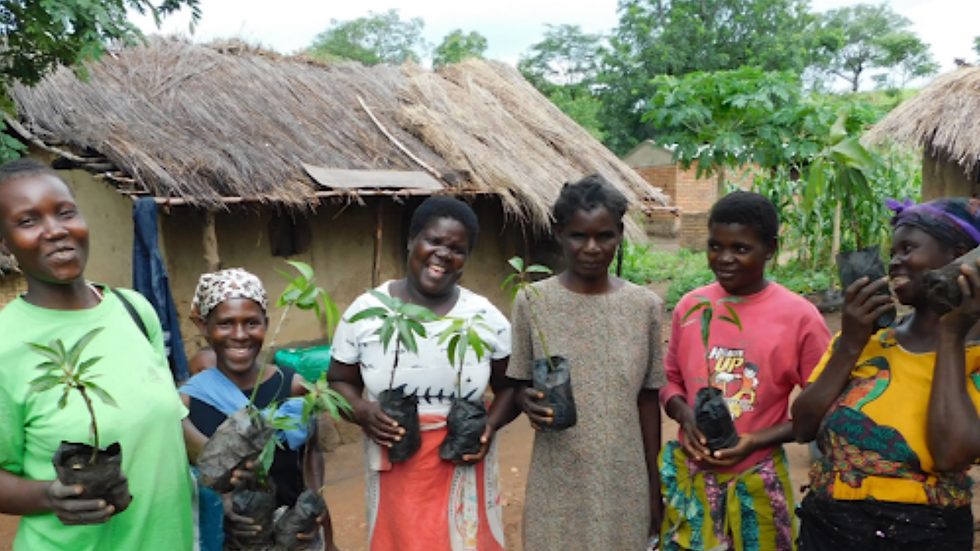
The project builds on local knowledge and community relationships. Through training and support networks, farmers are gaining the skills and tools to use climate-smart farming methods, reduce production costs, improve food security and build more stable incomes. Community networks and training hubs also provide spaces for farmers to share their skills and support one another.
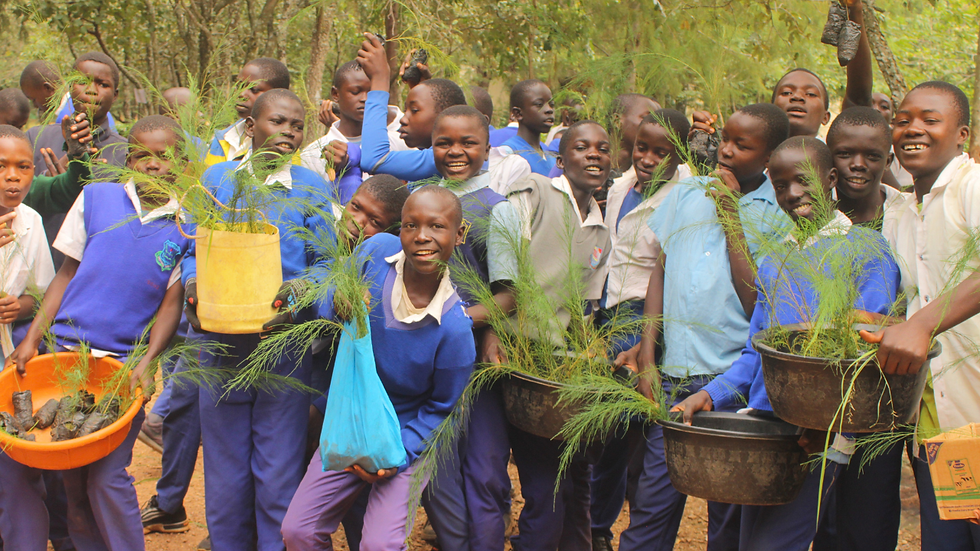
By helping families earn higher incomes and build more secure livelihoods, the project is opening up new opportunities for children and young people to thrive. More children are now able to attend school and access educational opportunities that were once out of reach. Children are not only benefiting from the project, they are also helping to shape it. Many have taken an active role in tree planting, helping to protect and restore their local ecosystems. Through these experiences, children are discovering that they can make a real difference in their own communities, while developing a deeper understanding of sustainability.
Impact
The impact so far…
2,580 people have taken part in the project, building their knowledge of climate change, soil health and biodiversity.
2,520 households have seen improved food security.
2,580 participants received training on sustainable agricultural practices and organic farming techniques.
3,580 people have benefitted from higher household incomes.
230,000+ trees have been planted across 10 acres of schools, forest, and farmland.
6,000 children have been involved in tree planting.
90,000 people are estimated to benefit from the project.
Jenny’s story When a beekeeping field school opened in her community, Jenny* joined to learn. The hands-on training covered every stage of the beekeeping process, from hive management to harvesting and honey processing. While others were hesitant to take part, Jenny embraced the challenge. What began as curiosity became a livelihood. Today, Jenny independently conducts hive inspections, honey harvesting and processing, while also earning income by providing services to other beekeepers. She said: "I no longer worry about how I will pay school fees or provide for my family. My income comes from different stages of the beekeeping process, and that gives me stability." Now recognised for her skills in the community, Jenny hopes to expand her business further. She shared: "I want to continue growing and one day run my own honey processing facility. Learning these skills opened my eyes to new possibilities. Today, I am confident about my future." *Name has been changed |
Growing hope for the future
We’re so inspired by what communities in Homa Bay have achieved through the Our Lives, Our Land Project so far. The project is demonstrating how climate-smart farming can build more resilient households, while equipping communities with the knowledge, tools and support they need to thrive.
We can't wait to see how the project will continue to grow! 🌱
Every contribution can help transform local knowledge into lasting change. Donate today to help us continue working alongside communities across East Africa to create brighter, more sustainable futures.


Comments